
Your car is more than just a way to get from one place to another. It is an important part of your daily routine, and keeping it in good condition can help you enjoy safer, smoother, and more reliable driving for years to come. While every vehicle has different maintenance requirements, regular care and good driving habits can significantly reduce unnecessary wear and help extend the life of your car.
Many expensive repairs can be avoided simply by following the manufacturer’s recommended maintenance schedule, paying attention to warning signs, and taking care of small problems before they become major issues. Here are some essential maintenance tips every driver should know.
1. Follow the Recommended Service Schedule
One of the easiest ways to protect your vehicle is to follow its recommended service schedule. Your vehicle manufacturer provides specific intervals for services such as oil changes, filter replacements, inspections, fluid checks, and other maintenance tasks.
Skipping scheduled servicing may allow small issues to develop into expensive mechanical problems. Keep a record of completed services and make sure important maintenance is carried out at the appropriate intervals.
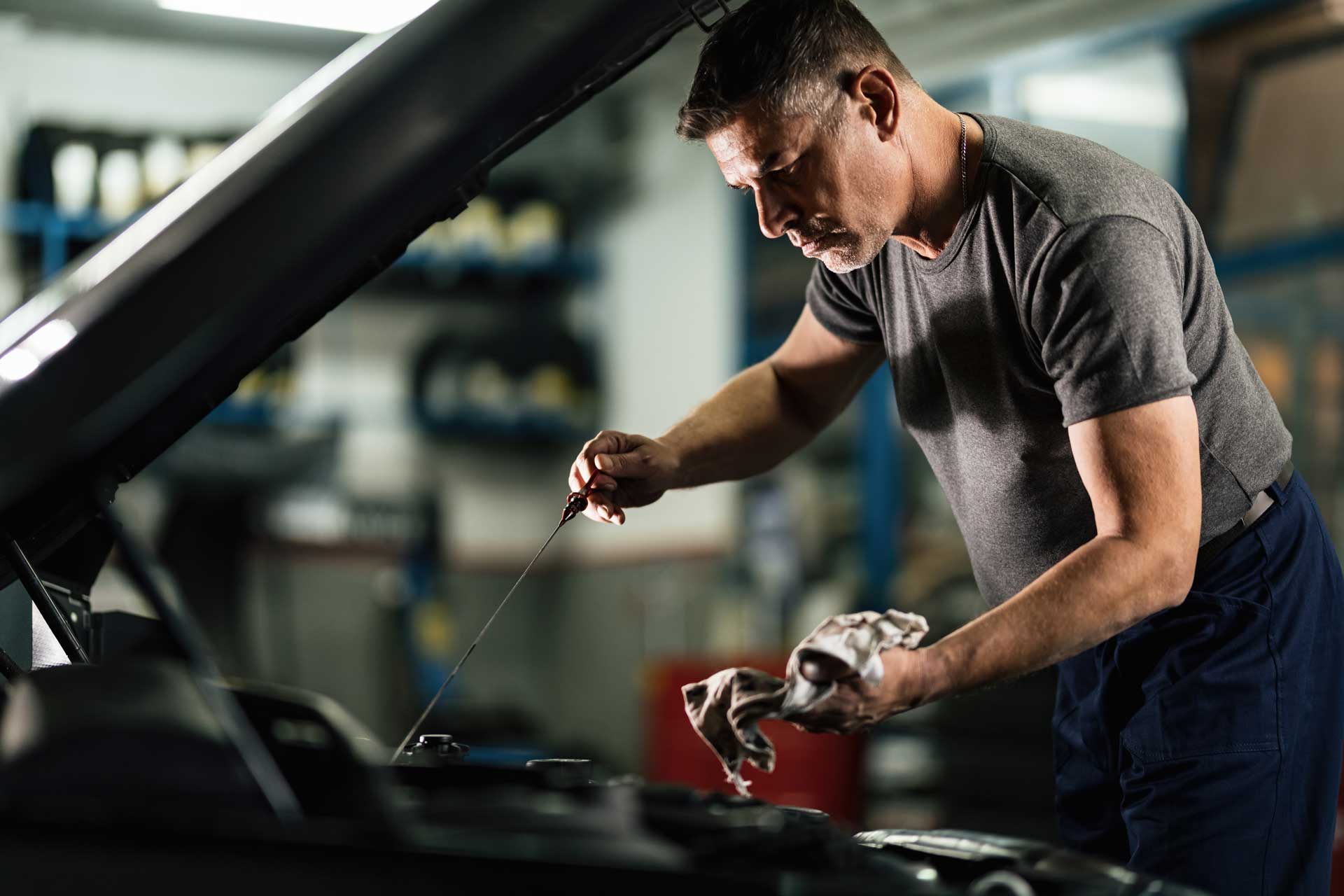
2. Check and Change Engine Oil Regularly
Engine oil plays a critical role in keeping the engine’s moving components lubricated and reducing friction and heat. Over time, oil can become contaminated or lose its effectiveness.
Check your oil level regularly and follow the manufacturer’s recommendations for the correct oil type and replacement interval. If you notice unusually low oil levels, leaks, or changes in oil appearance, have the vehicle inspected by a qualified professional.
3. Look After Your Tyres
Tyres are essential for safety, handling, braking, and fuel efficiency. Check tyre pressure regularly and maintain it according to the vehicle manufacturer’s recommended specifications.
Also inspect the tyres for uneven wear, cracks, bulges, or insufficient tread. Regular wheel alignment and balancing can help prevent uneven tyre wear and provide a smoother driving experience.
4. Keep Your Brakes in Good Condition
Your braking system should never be ignored. Pay attention to warning signs such as squealing, grinding, vibrations, pulling to one side, or changes in brake pedal feel.
Regular brake inspections can help identify worn brake pads, discs, or other components before they become a serious safety concern. Addressing brake problems early can also prevent additional damage and higher repair costs.
5. Replace Filters When Required
Air, cabin, fuel, and other filters help keep different vehicle systems operating efficiently. A dirty engine air filter can restrict airflow, while a clogged cabin filter can reduce ventilation performance and affect interior air quality.
Check the recommended replacement intervals for your vehicle and replace filters when necessary. Clean filters help support efficient operation and comfortable driving.
6. Monitor Your Vehicle’s Fluids
Your car relies on several fluids to operate correctly. Depending on the vehicle, these may include coolant, brake fluid, transmission fluid, power steering fluid, and windscreen washer fluid.
Check fluid levels as recommended and look for signs of leaks underneath the vehicle. If a fluid level repeatedly drops, do not simply keep topping it up—have the vehicle inspected to identify the underlying cause.
7. Pay Attention to Warning Lights
Dashboard warning lights are designed to alert you when something may require attention. Ignoring them can turn a relatively simple issue into a more expensive repair.
If a warning light appears, check your vehicle’s handbook for guidance and arrange an inspection when necessary. Red warning lights or serious changes in vehicle behaviour should be treated as a priority.
8. Maintain the Battery
A healthy battery is essential for starting your vehicle and powering its electrical systems. Extreme temperatures, long periods of inactivity, and electrical problems can affect battery performance.
Keep the battery terminals clean and check for corrosion or loose connections. If your vehicle is becoming difficult to start or the battery is approaching the end of its expected service life, consider having it tested.
9. Keep the Cooling System Healthy
The cooling system helps control engine temperature and prevent overheating. Check coolant levels and look for signs of leaks, overheating, or unusual temperature readings.
Never ignore repeated overheating. Continuing to drive an overheating vehicle can cause serious engine damage. Have the cooling system inspected as soon as possible.
Final Thoughts
Extending the life of your car does not necessarily require complicated maintenance. Consistency is the key. Regular servicing, proper fluid and tyre care, good driving habits, professional inspections, and exterior and interior protection can all contribute to keeping your vehicle reliable and looking its best.
Latest News
Read Related Blogs