Your car is an important part of everyday life, whether you use it for commuting, family trips, business, or weekend travel. Like any machine, a vehicle needs regular care to perform safely and efficiently. Routine car servicing is one of the most effective ways to maintain your vehicle, identify potential problems early, and reduce the risk of unexpected breakdowns.
Regular maintenance is not simply about fixing problems when they occur. It is about preventing unnecessary wear, protecting important components, maintaining performance, and helping your vehicle stay reliable for longer. In this complete guide, we explore why regular car servicing matters and what you should know about maintaining your vehicle.
Why Is Regular Car Maintenance Important?
Regular maintenance helps keep your vehicle operating as it should. Small problems can develop gradually and may not always be noticeable during everyday driving. Professional servicing allows these issues to be identified before they become more serious.
Regular servicing can help:
- Improve vehicle reliability
- Support safer driving
- Maintain engine performance
- Reduce unnecessary component wear
- Identify potential problems early
- Improve fuel efficiency
- Protect the vehicle’s resale value
- Reduce the risk of unexpected breakdowns
- Maintain a comfortable driving experience
1. Engine Maintenance
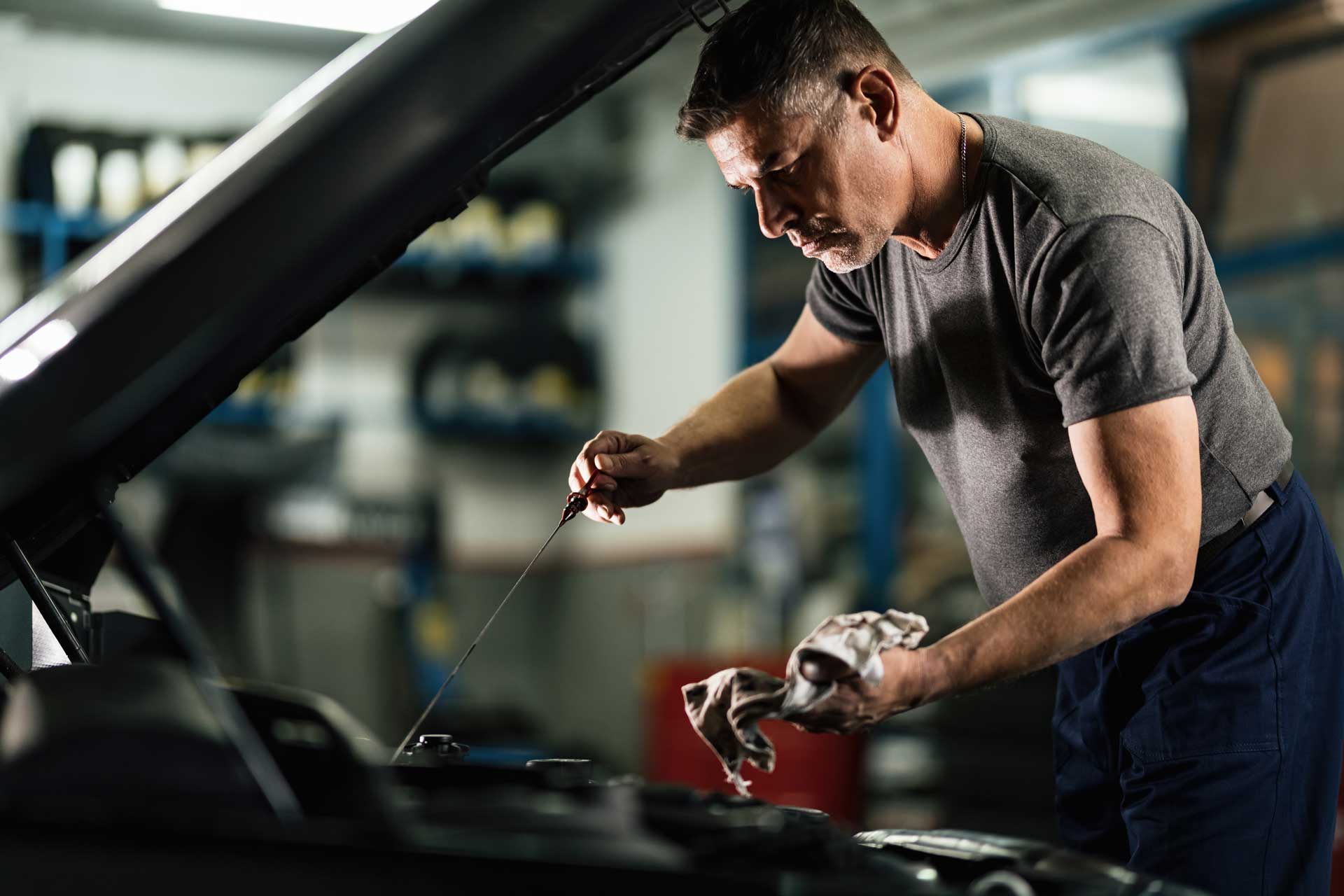
The engine is one of the most important components of your vehicle, and regular maintenance is essential for its long-term performance. Engine oil lubricates moving components, helps reduce friction, and assists with heat management.
During servicing, technicians may check oil levels and condition, inspect for leaks, and replace oil and filters according to the vehicle manufacturer’s requirements.
Ignoring engine maintenance can lead to increased wear and potentially expensive repairs.
2. Brake Inspection and Maintenance
Your braking system is critical to vehicle safety. Brake pads, discs, fluid, and other components gradually wear through normal use.
Regular brake inspections can identify worn components before they affect braking performance. Warning signs can include squealing or grinding noises, vibrations, pulling to one side, or changes in pedal feel.
If you notice any unusual braking behaviour, have your vehicle inspected promptly.
3. Tyre Checks
Tyres are your vehicle’s only contact with the road, making their condition extremely important. Regular checks should include tyre pressure, tread depth, uneven wear, cracks, and other visible damage.
Correct tyre pressure can support handling, braking, comfort, and fuel efficiency. Wheel alignment and balancing may also be necessary when uneven wear or steering issues are present.
4. Fluid Checks
Vehicles use several fluids to keep different systems operating correctly. These may include:
- Engine oil
- Coolant
- Brake fluid
- Transmission fluid
- Power steering fluid
- Windscreen washer fluid
Low fluid levels or leaks can indicate an underlying problem. Regular inspections help ensure important systems have the appropriate fluid levels and condition.
5. Battery and Electrical System
A weak battery can leave you unable to start your vehicle. During regular servicing, the battery and electrical system can be checked for signs of corrosion, poor connections, charging problems, or reduced battery performance.
If your vehicle starts slowly or electrical components behave unusually, it is worth having the battery and charging system inspected.
6. Filters and Airflow
Filters help protect various vehicle systems from contaminants. Engine air filters, cabin filters, fuel filters, and other filters may need replacement at different intervals.
A clean engine air filter helps maintain appropriate airflow, while a clean cabin filter can support effective ventilation and a more comfortable interior environment.
7. Cooling System
The cooling system helps prevent the engine from overheating. Coolant levels, hoses, radiator components, and other cooling-system parts should be inspected as recommended.
If your temperature gauge shows unusual readings or you notice coolant leaks, steam, or repeated overheating, seek professional assistance promptly.
8. Suspension and Steering
The suspension and steering systems influence handling, comfort, and vehicle stability. Components can wear over time due to normal driving, road conditions, potholes, and heavy use.
During a professional inspection, technicians can look for worn or damaged components and signs of uneven tyre wear, steering problems, or unusual vehicle movement.
9. Belts and Hoses
Belts and hoses are important but often overlooked parts of vehicle maintenance. Cracks, deterioration, leaks, or excessive wear can eventually lead to component failure.
Following the manufacturer’s replacement recommendations and having these components inspected during servicing can help reduce the risk of unexpected problems.
10. Air Conditioning and Climate Control
A well-functioning air-conditioning system makes driving more comfortable, particularly during hot weather. Regular checks can help identify issues with cooling performance, filters, airflow, and other components.
If your air conditioning is producing unusual smells, weak airflow, or insufficient cooling, professional inspection may be required.
Final Thoughts
Regular car servicing is one of the best ways to protect your vehicle’s performance, reliability, safety, and long-term value. Instead of waiting for a problem to appear, preventative maintenance allows you to identify potential issues early and keep important components working properly.
Latest News
Read Related Blogs